
Hong Kong is a city of long lives, high-pressure work, international schools and close family networks. When thinking, memory or behaviour changes, those overlapping worlds matter. Neuropsychology tries to make sense of them together.
Why it matters in Hong Kong
Neuropsychology is relevant wherever brain function and daily life meet. In Hong Kong, common reasons for enquiry include concerns about memory and ageing, recovery after stroke or brain injury, epilepsy and other neurological conditions, attention and learning difficulties in children and adolescents, and cognitive changes associated with medical or mental health conditions.
The city’s pace adds another layer. People may be managing demanding jobs, caring for children and older parents at the same time, or studying in a second or third language. A cognitive difficulty that looks small on a test can have a large effect when the environment is fast, crowded and multilingual.
Neuropsychological assessment can help separate what is new, what has been present for a long time, and what is being amplified by stress, sleep, pain or emotional load. That distinction matters for diagnosis, rehabilitation, school planning and work.
How the professional landscape works
Hong Kong does not currently have a statutory registration system for clinical psychology. That means the title “clinical psychologist” is not protected by law in the way that some medical and allied health titles are. Consumers need to look carefully at training and registration.
Several professional bodies maintain registers. The Hong Kong Institute of Clinical Psychologists (HKICP) is the only body accredited under the Department of Health’s Accredited Registers Scheme for Healthcare Professions to administer the register of clinical psychologists. Its members may use the title “Clinical Psychologist in Accredited Register”. The Hong Kong Psychological Society (HKPS) also maintains a voluntary Professional Register of Psychologists, and the Hong Kong Association of Doctors in Clinical Psychology (HKADCP) maintains a register of doctorate-level clinical psychologists.
These registers are not identical, and membership is generally voluntary. A careful enquiry therefore asks about the person’s doctoral training, supervised clinical experience, area of practice and current registration, rather than relying on a title alone.
What assessment can offer
A neuropsychological assessment in Hong Kong usually combines a clinical interview, standardised tests, questionnaires and relevant records. Depending on the question, it may examine attention and processing speed, memory and learning, language, visuospatial skills, executive functioning, academic skills and emotional functioning.
The assessment can help to:
- Clarify whether cognitive changes are present and how significant they are.
- Identify strengths as well as difficulties, which is important for rehabilitation and planning.
- Support diagnostic thinking in collaboration with treating doctors and other professionals.
- Provide practical recommendations for home, school, work or care.
- Establish a baseline for monitoring change over time.
It cannot answer every question. A single assessment is a snapshot, not a life sentence. Findings should be explained with attention to the person’s history, culture, language, effort, sleep, mood and medical context.
Language, culture and local norms
Hong Kong’s bilingual and multilingual environment is an asset, but it also affects assessment. A person may think, study or work in a language that is not their first. Tests developed and normed in one language or culture may not fit neatly into another.
Good practice includes asking about language history, education, migration and cultural background, choosing appropriate measures where possible, and interpreting results with caution. An interpreter may be helpful in some situations, but interpreting standardised tests is not a simple word-for-word exercise. The limits should be explained.
Local norms matter too. A result that is average in one population may look different in another. The goal is not to force a person into a norm, but to understand their functioning in context.
Local professional context
Dr. Mok returned to Hong Kong after years of practice and training in North America. His recent local work includes speaking and judging at events that connect clinical practice with the wider questions raised by neurotechnology.
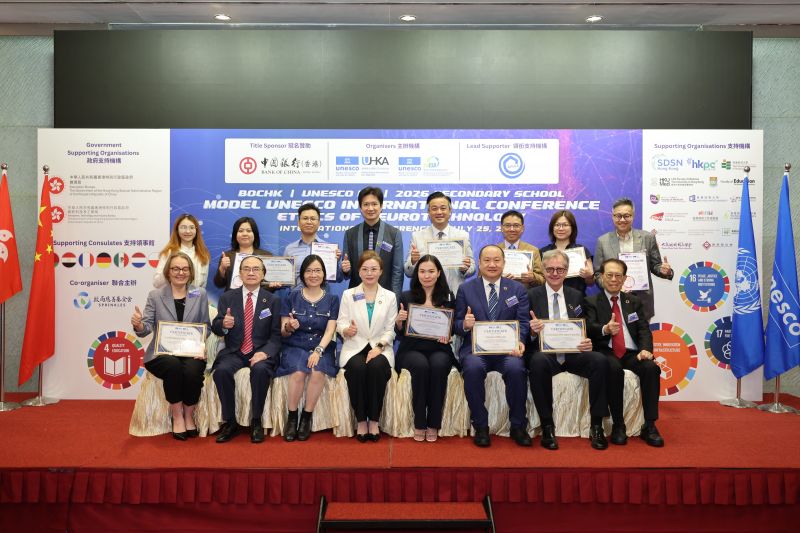
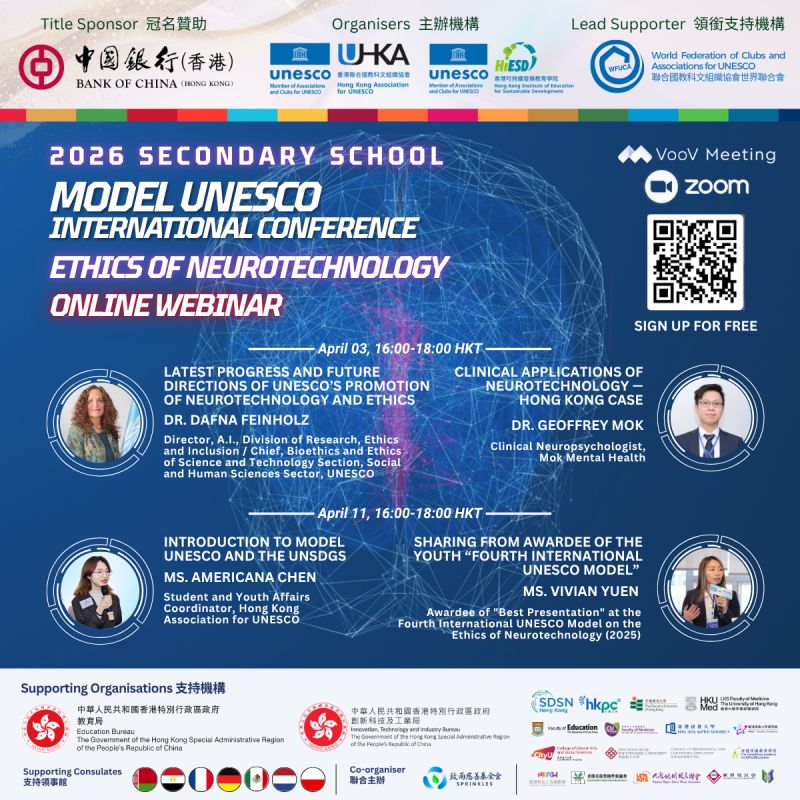
In 2026, he was an expert judge at the Secondary School Model UNESCO International Conference on the Ethics of Neurotechnology, organised by the UNESCO Hong Kong Association and partners. The conference brought together secondary school delegates from 16 countries and more than 20 cities to discuss brain–computer interfaces, cognitive assessment, digital health, privacy, consent and equity.
He also spoke in the conference’s online webinar on “Clinical Applications of Neurotechnology – The Hong Kong Case”, discussing how neurotechnologies are used in clinical settings and the ethical questions they raise around privacy, consent, equity and the long-term impact on mental health services.
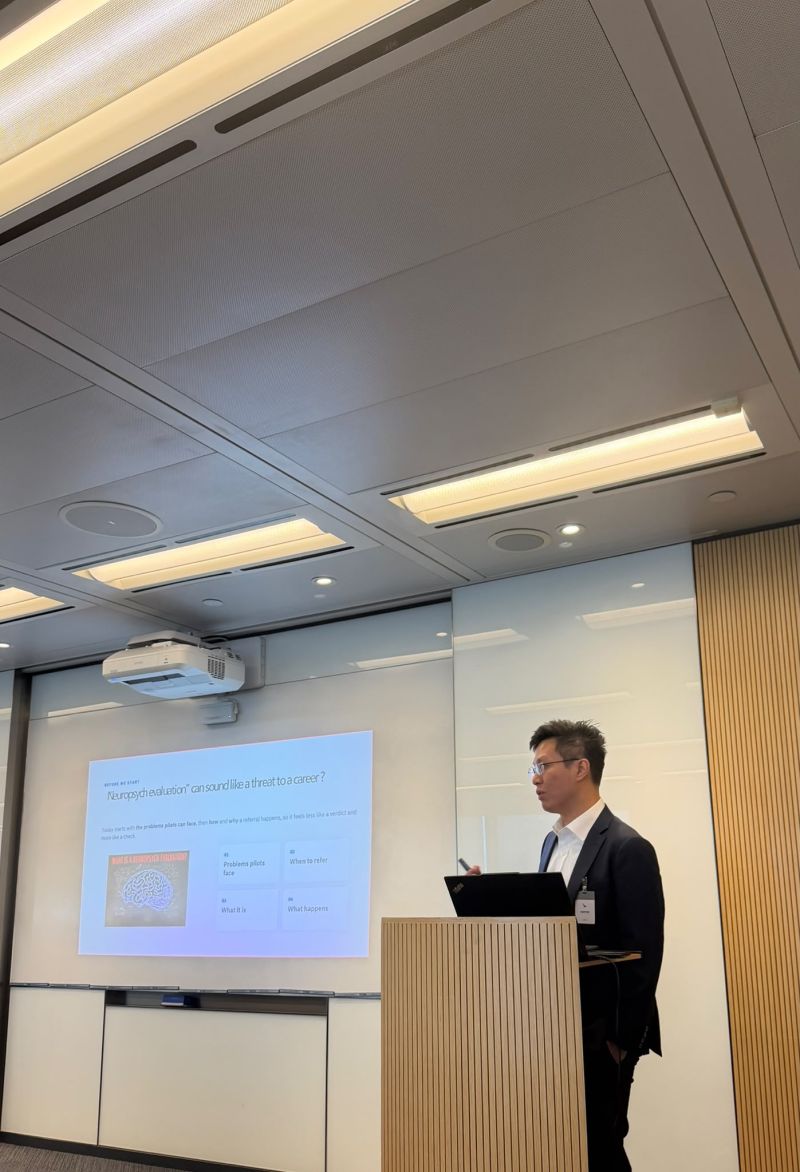
In aviation, he spoke at a Cathay Pacific HIMS seminar about aviation neuropsychological assessments, including the cognitive areas assessed and how the work fits into a broader system for identifying, treating and supporting pilots who need help returning safely to the flight deck.
Event participation is shown for professional context only. It does not imply endorsement by the organisations named.
Ethics, privacy and neurotechnology
Neurotechnology is developing quickly. Brain–computer interfaces, digital cognitive tests, wearable sensors and large datasets raise questions that go beyond whether a tool “works”. Who owns brain-related data? What does consent mean when a device is used at home? Will access depend on income, language or geography? How should a clinician explain uncertainty?
These questions are not abstract in Hong Kong. The city is a hub for finance, technology, research and international collaboration, and clinical services sit alongside all of them. A responsible neuropsychologist should be able to explain what a tool measures, what it does not measure, how data are stored and shared, and what the limitations are.
Privacy and consent are especially important in mental health and cognitive care. Assessment reports can contain sensitive information about memory, mood, behaviour and daily functioning. They should be shared only with appropriate consent, and only as widely as necessary.
How to choose a clinician
When looking for a neuropsychological assessment in Hong Kong, consider asking:
- What is your training and current registration?
- What areas of practice are you authorized or trained to work in?
- Have you worked with people who share my concern, age group and language background?
- What will the assessment involve, and how long will it take?
- What can it tell me, and what can it not tell me?
- How will the report be used, and who will see it?
- What are the fees, cancellation terms and options if I need to reschedule?
- How will you handle language, culture and any accessibility needs?
You do not need to ask all of these at once. A short initial conversation is often enough to see whether the fit is right.
The main point
Neuropsychology in Hong Kong is shaped by the city’s languages, cultures, pressures and international connections. Good assessment does not ignore those factors. It uses them to build a more accurate, more useful picture of the person — and it is honest about what the science can and cannot yet say.
Sources
- Hong Kong Institute of Clinical Psychologists — Accreditation and current registration context
- Hong Kong Psychological Society — Professional registration
- Hong Kong Association of Doctors in Clinical Psychology — Who is a clinical psychologist?
- HKU InnoCentre of Clinical Neuropsychology — Clinical psychology and clinical neuropsychology FAQ
- Government of Ontario — Regulated health professions: Psychology
About the author
Dr. Geoffrey Mok
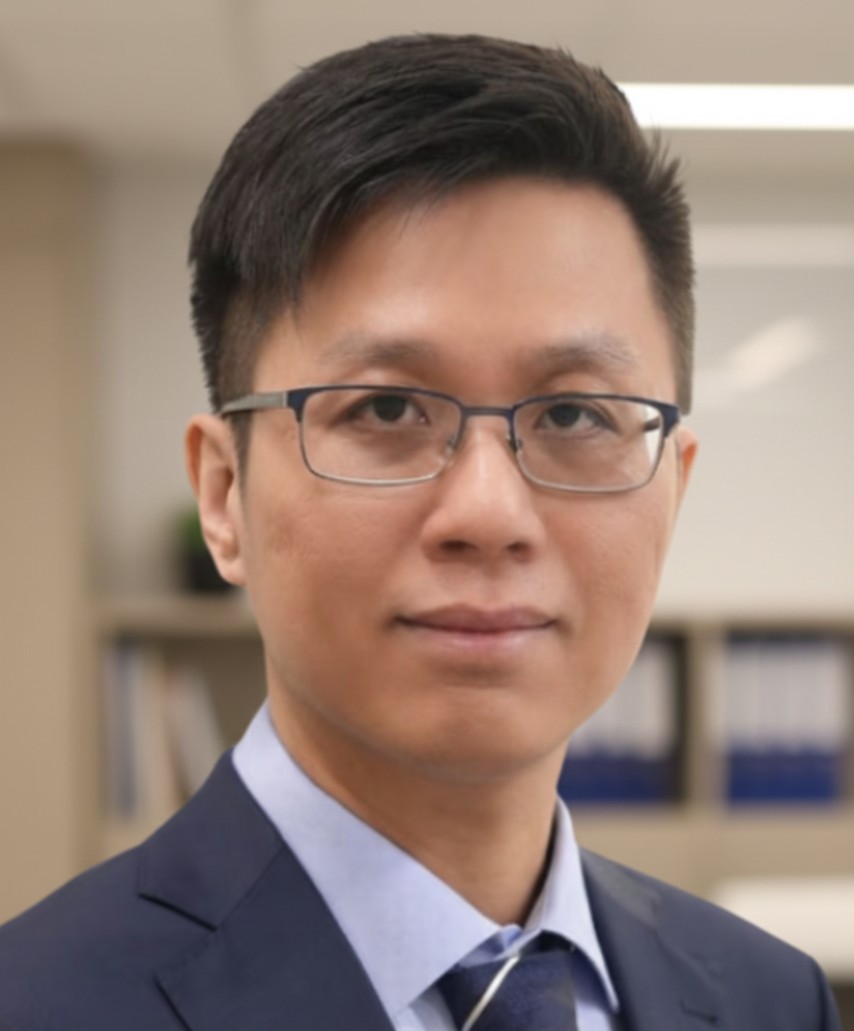
Dr. Geoffrey Mok is a clinical psychologist with advanced training in clinical neuropsychology. He is registered with the College of Psychologists and Behaviour Analysts of Ontario (CPO #7374) and the Hong Kong Institute of Clinical Psychologists (HKICP #CP00493).
More about Dr. Mok